




Systems, understood

We build PULSAR, a platform for teams integrating complex cyber-physical products. PULSAR reconstructs how each system version actually behaves, giving engineering teams at OEMs and along the supply chain straight answers.

Currently working with: Automotive OEM Automotive Tier-1 Designed for: Automotive Aviation & Defense Robotics Industrial other embedded software industries

The Challenge

Software-defined systems have outgrown human-scale understanding

We spent decades inside automotive and SDV programs at Audi, BMW, CARIAD, Elektrobit, Tasking, and Qualcomm. We saw brilliant engineering teams lose weeks chasing incidents that should have been resolved in hours.

The problem was not a lack of data. It was the gap between seeing data and understanding system behavior. Today’s tools show vast amounts of information. They do not explain how complex systems actually work, interact, and fail.

This is why we founded AIORX.

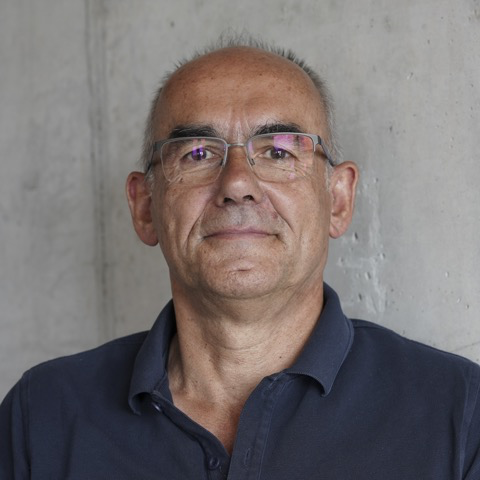
Alejandro Vukotich · Gregor Zink · Alfons Pfaller · Ewald Gössmann

AIORX Founders · 25–30+ yrs each at Audi BMW CARIAD Qualcomm Ericsson Elektrobit Siemens Tasking Continental + others

The shift

Traditional approaches keep adding complexity.

More documentation, more people, more processes.

Eventually, complexity grows faster than teams can manage it.

Execution slows down. Problems take longer to understand and resolve.

The good news: data can reveal a lot about your system, and it is already available.

What’s missing is turning that data into understanding.

That’s

what PULSAR does.

What we do

PULSAR turns the data your system already produces into structured system knowledge

With every new software candidate you start testing and recording data. The PULSAR engine uses this data to reconstruct how your system actually behaves, and how every component works. That model becomes your ground truth: explore it yourself, or let an agent surface what matters.

PULSAR PLATFORM

PULSAR modules

view

System Explorer The architecture as built

view + agent

Anomaly Detection Every run against a learned normal

view + agent

Change Detection What moved between two builds

agent

Root-Cause Analysis Symptom back to origin

agent

Agent Builder Your own questions, kept as a skill

PULSAR engine

Traces
Logs
Metrics

No specifications. No documentation. No source code.

Inside the platform

Why PULSAR

Built to scale with the complexity of your system

01

1,000s

interactions per run — turned into reusable system knowledge

The more complex the system, the more data it reveals — and the more PULSAR learns.

Every release adds components, suppliers and variants — but also new runtime evidence. PULSAR learns from every run, so its understanding of normal behavior, dependencies and failure propagation grows with the system.

02

< 1 day

to the root cause of a cross-domain failure — instead of weeks of expert coordination

System knowledge that compounds over years

Today, system knowledge is fragmented across domains, suppliers, and experts. PULSAR preserves a behavioral reference for every software version, so the understanding stays with the product as teams, suppliers, and experts change. The answer no longer depends on who is available.

03

Zero specifications to write and zero people to hire. Your runs are the input. 0 specifications to write people to hire your runs are the input

Start with the data you already have

No specifications to complete. No behavior to describe. Nothing new to instrument. PULSAR learns from the logs and traces your system already produces — and builds its first behavioral reference from data recorded before you ever spoke to us.

What is your program cost of complexity?

Engineering time spent finding the cause of system-level bugs is measurable. Put your own numbers in.

Get started

Build complex cyber-physical systems faster and stay in control

Give every release a memory. Give every failure a path.